
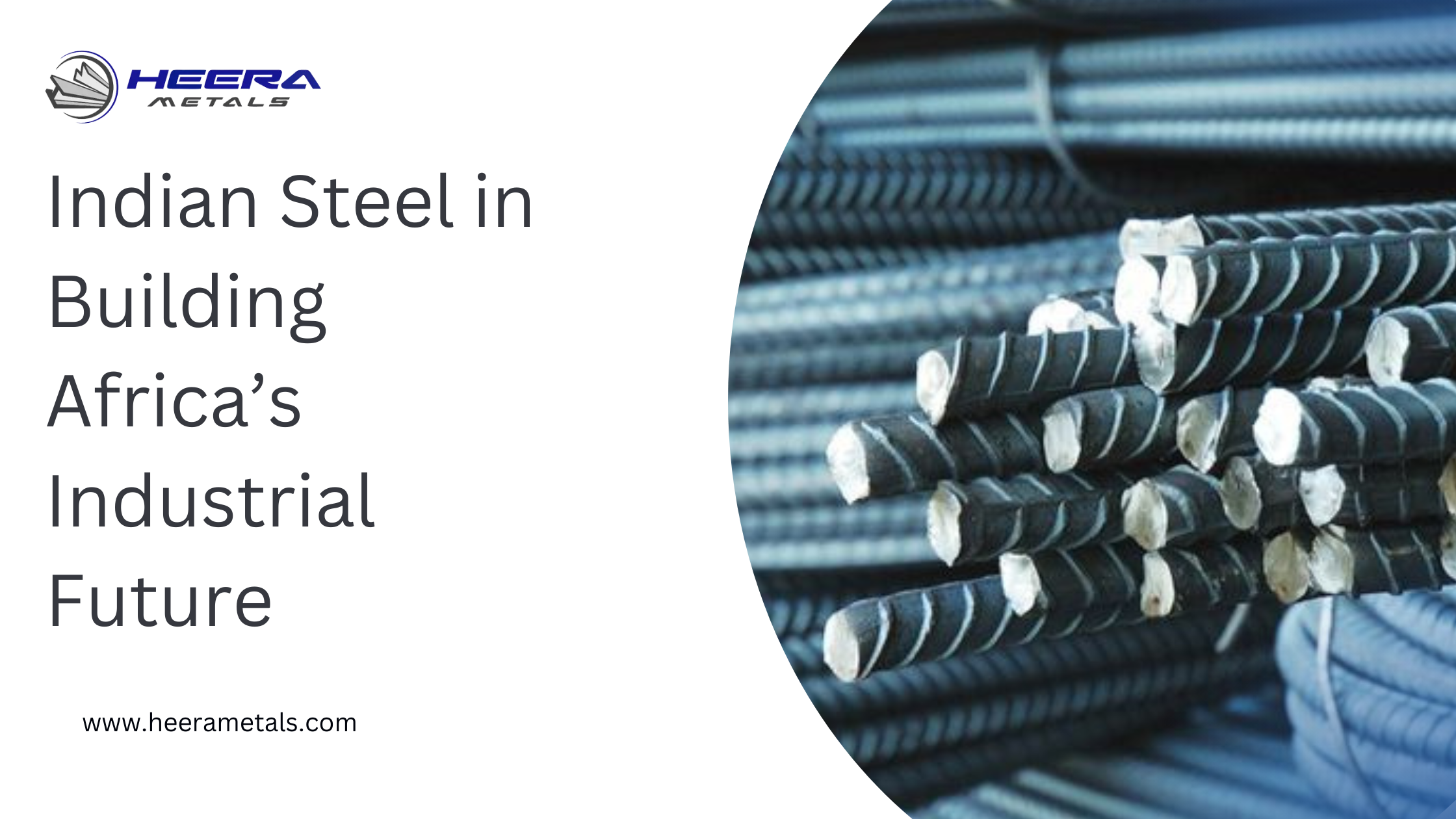
The Role of Indian Steel in Building Africa’s Industrial Future
Africa stands at the cusp of an industrial transformation. With the continent’s population projected to double by 2030 and urbanization accelerating at an unprecedented pace, the demand for infrastructure roads, railways, ports, energy grids, and manufacturing facilities has never been more critical mostly used product is mild steel in Africa . Indian steel in Africa has emerged as a cornerstone of this development, providing the essential material backbone for modern industrialization. As African nations chart their path toward economic self-sufficiency and sustainable growth, they are increasingly looking beyond traditional Western suppliers to forge new partnerships. Among these emerging collaborations, India’s steel industry has positioned itself as a pivotal player in Africa’s industrial narrative.
India, now the world’s second-largest steel producer, brings more than just competitive pricing and production capacity to the table. It offers a unique value proposition rooted in shared historical ties.
Why Steel Is Critical to Africa’s Industrial Transformation
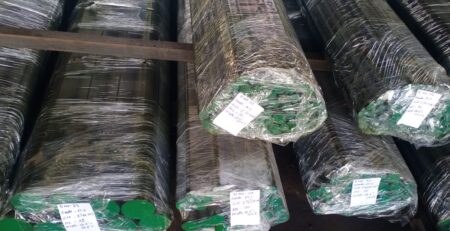
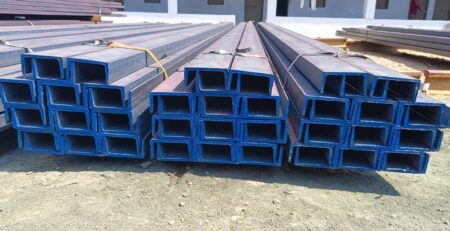
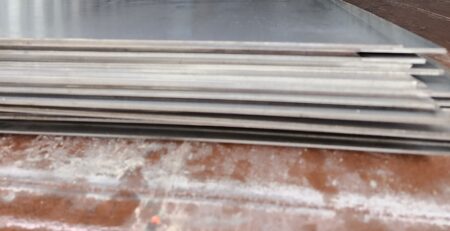
Steel, especially versatile mild steel, plays a structural role as the backbone for Africa’s infrastructure, like highways, bridges, and rails, plus heavy industry such as factories and power plants. These yield products like rebar, sheets, pipes, and beams. Its durability, scalability, and long-term performance stem from high tensile strength and corrosion resistance. This enables modular megaprojects like Kenya’s Standard Gauge Railway or Ethiopia’s GERD while cutting maintenance costs in harsh climates. Steel quality drives sustainability. 100% recyclable premium mild steel reduces import dependency (over 80%) and builds enduring infrastructure, while poor quality risks failures and higher costs.
Key Factors Shaping Steel Sourcing Decisions in Africa
Cost Efficiency and Budget Control
One of the most important things that affects where steel comes from in Africa is how much it costs. It’s important to know how much materials cost for big infrastructure, construction, construction steel Africa, and industrial projects because they often have strict budgets. Steel buyers want suppliers who can tell them exactly how much each ton costs, let them order different amounts, and be clear about their costs. To keep your budget in check over time, you need to think about more than just the item’s initial cost. It also depends on keeping prices steady, cutting down on rework, and making sure that delivery dates are reliable so that projects stay on budget.
Supply Consistency and Availability
To keep construction on schedule and avoid costly delays, it is important to have a steady and reliable mild steel supplier for Africa. African projects, especially those in transportation, energy, and industrial development, need a steady supply of large amounts of mild steel products. A supplier’s ability to keep stock levels stable, support phased deliveries, and handle bulk needs without any problems affects sourcing decisions. Steel is available when and where it is needed thanks to strong logistics networks, access to ports, and reliable production capacity.
Quality Compliance and Performance Standards
Quality assurance is a must when buying steel for Africa’s growing infrastructure and industrial sectors. To make sure that structures are safe and will last a long time, steel must meet certain mechanical properties, durability expectations, and international standards. Buyers prefer suppliers that offer certified materials, traceability, and test reports that are written down. Following internationally recognized standards lowers the chance of materials being rejected, makes projects safer, and makes sure that steel works well in a variety of African regions with different environmental and load conditions.
How Indian Steel Supports Key Industrial Sectors in Africa
Construction and Urban Infrastructure Projects
Indian mild steel is very important for Africa’s quickly growing construction and urban infrastructure. Indian steel products are strong, reliable, and cost-effective enough for large-scale development, such as building homes, businesses, bridges, roads, and public facilities. Contractors can keep building at a steady pace thanks to reliable supply chains and the ability to buy in bulk. Standardized quality makes sure that structures are safe and last a long time in cities that are growing quickly.
Manufacturing Plants and Industrial Facilities
Steel that can hold up heavy machinery, structural frameworks, and production lines is important for factories and businesses all over Africa. Indian steel meets these needs by offering reliable mild steel grades that can be used to build things like warehouses, equipment foundations, and industrial sheds. Consistent quality of materials and accurate dimensions lower the number of mistakes made during fabrication and the amount of time spent on downtime. This makes building plants go more smoothly and speeds up the start of industrial operations.
Energy, Transport, and Mining Developments
Steel that can handle heavy loads and harsh conditions is needed for mining, transportation networks, and energy projects. Because it is strong and dependable, Indian steel is used a lot in power plants, transmission infrastructure, railways, ports, pipelines, and mining facilities. Its ability to work in a variety of settings helps it perform well over time, and its steady supply helps big projects stay on schedule in hard-to-reach or hard-to-manage areas.
Long-Term Partnerships Strengthening Africa’s Industrial Ecosystem
Reliable Long-Term Steel Supply Arrangements
Long-term relationships with steel suppliers are very important for making sure that Africa’s industrial growth is stable and predictable. Stable supply agreements let developers, contractors, and manufacturers get the same quality and price of materials for a long time. This lowers the risk of market changes, lowers the risk of procurement, and gives people confidence in planning big investments in infrastructure and industry.
Supporting Phased and Multi-Year Projects
Many of Africa’s biggest construction, energy, and industrial projects are done in stages over the course of several years. Long-term steel partnerships let suppliers coordinate their production and delivery schedules with project timelines. This makes sure that materials are available on time at every stage. This coordinated approach helps keep things on schedule, makes it easier to manage cash flow, and makes sure that things stay the same across all phases of complicated projects.
Conclusion Building Africa’s Industrial Future Through Strategic Steel Partnerships
Africa’s industrial transformation depends not only on vision but on access to reliable mild steel in Africa, resilient supply chains, and long-term sourcing strategies. As the most widely used material across construction steel Africa, manufacturing, energy, and transport sectors, mild steel plays a central role in shaping the continent’s infrastructure and industrial capacity.
Indian steel in Africa has emerged as a strategic advantage for developers, contractors, and manufacturers seeking cost efficiency, supply consistency, and quality compliance. With strong production capabilities and proven export experience, Indian mild steel suppliers support large-scale and phased projects by delivering cost-effective mild steel Africa, consistent volumes, and internationally certified materials that meet performance standards across diverse environments.


Leave a Reply