

MS Channel: The Backbone of Modern Structures
When it comes to building strong, reliable, and cost-effective structures, steel has always been the material of choice. Among the many steel sections available, MS Channel (Mild Steel Channel) stands out as one of the most versatile and widely used structural components. Recognizable by its distinct C-shaped cross-section, MS Channel offers an ideal balance of strength, durability, and adaptability making it indispensable across industries.
What is an MS Channel?
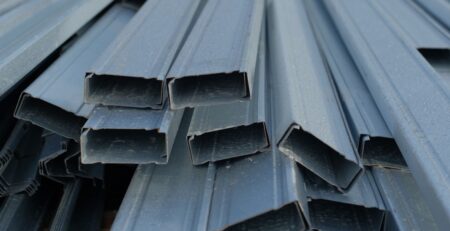
An MS Channel is a hot-rolled steel section shaped like the letter “C,” with a wide central web and flanges on either side. This design not only gives it rigidity but also allows it to bear heavy loads while resisting bending and twisting. Because it is made from mild steel, MS Channel offers excellent weldability and machinability, which further enhances its usability in fabrication and construction projects.
Why MS Channel is Widely Preferred
High Strength & Load-Bearing Capacity – MS Channels provide structural stability and support, even under heavy loads.
Cost-Effective Solution – Compared to other metals, mild steel channels are affordable without compromising on performance.
Durability – With the right finishing and protection, MS Channels can withstand harsh environments for years.
Easy Fabrication – Their weldability makes them easy to cut, drill, and shape for customized applications.
Versatility – From skyscrapers to shipbuilding, MS Channels adapt to a variety of industries.
Key Applications of MS Channel
1. Construction & Building Sector
MS Channel is the go-to material for building frames, trusses, and supports. It is widely used in the construction of bridges, flyovers, industrial sheds, and warehouses, where strength and reliability are crucial.
2. Infrastructure Development
From transmission towers and power plants to drainage and sewage systems, MS Channels are an integral part of modern infrastructure projects. Their ability to endure high wind pressure and heavy weight makes them indispensable in large-scale projects.
3. Manufacturing & Fabrication
In manufacturing plants, MS Channels are used for conveyor systems, material handling equipment, crane rails, and heavy machinery frameworks. Their toughness ensures consistent performance in high-demand environments.
4. Automotive Industry
MS Channels are widely used in vehicle frames, chassis, suspension systems, engine supports, and exhaust brackets, thanks to their resilience and ability to handle mechanical stress.
5. Marine & Shipbuilding
The marine industry utilizes MS Channels in ship frames, decks, and supports, where durability and resistance to a corrosive environment are essential.
6. Oil & Gas Industry
Pipeline supports, rig structures, and equipment frames rely on MS Channels due to their ability to withstand high pressure, temperature variations, and corrosion.
The Future of MS Channel Usage
As industries move toward sustainable growth, MS Channels continue to evolve with advanced coatings, galvanization, and treatments to improve longevity. Their role in green building projects, renewable energy plants, and modern urban infrastructure highlights their enduring importance in shaping the future.
Conclusion
Whether it’s holding up massive bridges, supporting factory equipment, or forming the skeleton of a high-rise, MS Channel remains the backbone of strength and reliability in countless industries. Its unbeatable combination of strength, affordability, and adaptability ensures that it will continue to play a vital role in global infrastructure and industrial development.




Leave a Reply