
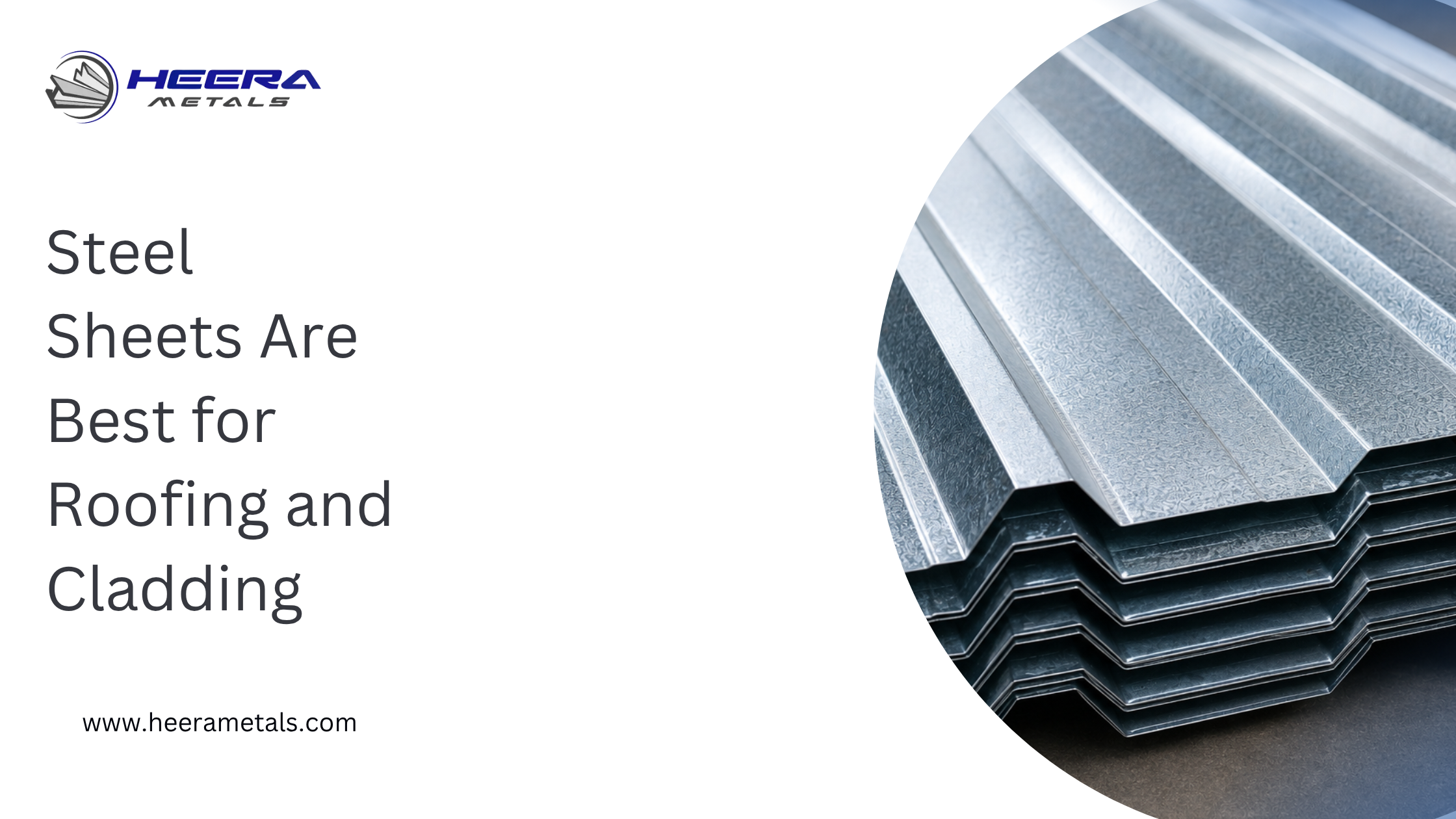
Which Steel Sheets Are Best for Roofing and Cladding?
Introduction
Stand outside almost any warehouse, factory, or commercial shed and look up. Chances are the roof and walls are covered in some form of steel sheet, not tile, not concrete.
That is not a coincidence. Steel sheets cover more square footage of industrial and commercial roofing than any other material, mainly because they hold up against weather, span large distances without heavy support, and go up faster than almost anything else.
But not all steel sheets perform the same way. Galvanized sheets, color coated sheets, and plain corrugated panels each suit different climates, budgets, and building types. This guide walks through the main options, how to match them to a project, and what tends to go wrong when buyers pick the wrong one.
Why Steel Sheets Dominate Roofing and Cladding
Traditional roofing materials struggle with the scale that industrial buildings demand. A factory roof spanning thousands of square meters needs something light enough to install quickly yet strong enough to survive decades of sun, rain, and temperature swings.
Steel roofing sheets solve that problem well. They are lightweight compared to concrete or clay alternatives, which reduces the load on structural framing and cuts installation time significantly.
They also hold up under pressure. A properly coated steel sheet resists corrosion, sheds water efficiently thanks to its shape, and rarely cracks the way brittle materials sometimes do under thermal stress.
Galvanized Steel Sheets
Galvanized sheets, often called GI sheets, are coated with a layer of zinc through a hot dip process. That zinc layer acts as a sacrificial barrier, corroding in place of the steel underneath whenever moisture reaches the surface.
This makes galvanized steel sheets a dependable choice for roofing in humid regions, coastal areas, or industrial zones with higher exposure to airborne moisture and chemicals.
Cost is another draw. Galvanized sheets typically sit at a lower price point than color coated alternatives, which makes them a common pick for warehouses, agricultural sheds, and budget conscious commercial projects where appearance matters less than durability.
Best suited for: warehouses, agricultural buildings, industrial sheds, and any structure where function outweighs aesthetics.
Color Coated Steel Sheets
Color coated steel sheets, sometimes labeled PPGI, start with a galvanized base and add a layer of paint or polymer coating on top. That extra layer does more than add color; it improves resistance to UV degradation, chalking, and surface wear.
For commercial buildings where appearance matters, such as retail complexes, office parks, or branded facilities, color coated sheets offer a cleaner finished look without giving up the corrosion resistance that galvanized steel provides.
The coating also tends to reflect more heat than bare galvanized steel, which can help reduce indoor temperatures in buildings without additional insulation or cooling systems.
Best suited for: commercial buildings, showrooms, branded facilities, and any project where roofing and cladding double as part of the exterior design.
Corrugated and Profiled Sheets
Corrugated steel sheets get their wave like shape through a rolling process that adds structural rigidity without adding thickness. That shape allows a relatively thin sheet to span longer distances and resist wind uplift better than a flat panel would.
Most galvanized and color coated sheets are available in corrugated or trapezoidal profiles, so this is less a separate category and more a shape decision layered on top of the coating choice already made.
Deeper profiles generally handle heavier loads and longer spans, which matters for roofs with wider support spacing, while shallower profiles are common in wall cladding where load bearing matters less than fit and finish.
Matching Steel Sheets to Climate and Building Type
Coastal projects tend to favor thicker zinc coatings or color coated sheets with added corrosion protection, since salt laden air accelerates rust on lighter coatings.
Buildings in hot, high sun regions often benefit from color coated sheets with reflective finishes, since they help manage indoor heat buildup better than bare galvanized steel.
Agricultural and low rise industrial structures usually do fine with standard galvanized sheets, where the priority is durability and cost control rather than appearance.
High visibility commercial buildings, especially those near main roads or in retail districts, typically justify the added cost of color coated sheets for the finished look they provide.
What Buyers Often Get Wrong
A common mistake is choosing sheet thickness based on price alone, without checking whether it matches the roof’s span and expected wind load, which can lead to sagging or damage during storms.
Another frequent issue is skipping a proper zinc coating class for the environment. A sheet rated for a dry inland climate will not hold up the same way on a coastal warehouse roof.
Buyers also sometimes overlook fastener compatibility, pairing steel sheets with the wrong screws or clips, which can lead to leaks around fixing points well before the sheet itself shows any wear.
Finally, skipping supplier certification checks is a costly shortcut. Mill test certificates confirm coating thickness and base metal quality, and without them there is no reliable way to verify what you are actually installing.
Final Thoughts
Choosing between galvanized and color coated steel sheets comes down to matching the material to the building’s environment, budget, and purpose. Galvanized sheets remain the practical default for industrial and agricultural structures, while color coated sheets earn their higher price on commercial buildings where finish and heat reflection matter.
If you are planning a roofing or cladding project and want steel sheets suited to your building type and climate, working with a supplier who can walk you through coating classes, profiles, and thickness options will save both time and money down the line. Get in touch to discuss the right steel sheet specification for your next project.



Leave a Reply