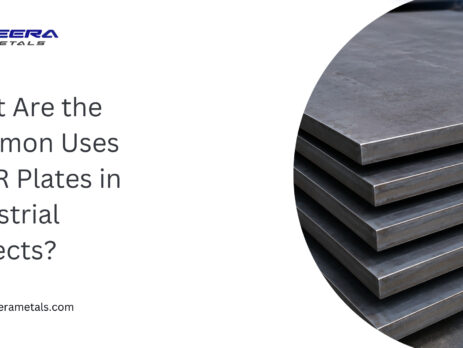
What Are the Common Uses of HR Plates in Industrial Projects?
Introduction
Some steel products stay behind the scenes, buried inside a machine frame or bolted beneath a structure where nobody thinks to look. HR plates fall into that category more often than not.Hot rolled steel plates are among the most heavily used materials in industrial fabrication, combining thickness, strength, and weldability in a way few other products can match. They show up in shipbuilding, heavy machinery, pressure vessels, and structural frameworks, often doing the quiet work of holding a project together.This article looks at where hr plates get used across industrial projects, why fabricators reach for them so often, and...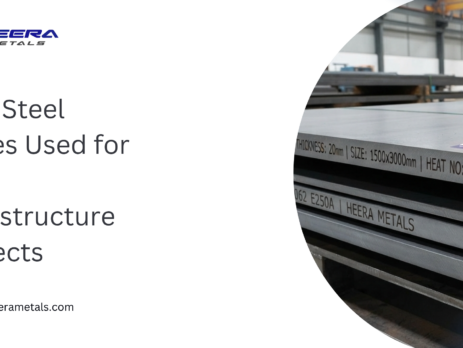
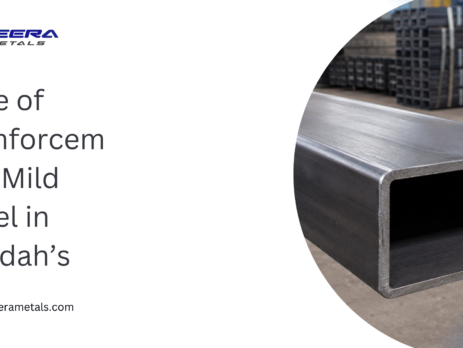
What Are Mild Steel Plates Used for in Infrastructure Projects?
Infrastructure development depends on materials that can deliver strength, durability, and long-term value under demanding conditions. Whether constructing bridges, highways, industrial facilities, commercial buildings, or public utilities, engineers require materials capable of supporting significant structural loads while remaining cost-effective and easy to fabricate. Among the most widely used construction materials, MS plates (mild steel plates) have become a fundamental component of modern infrastructure projects. Their combination of mechanical strength, weldability, versatility, and affordability makes them an essential material across civil engineering, industrial construction, and structural fabrication applications. This article explores the major applications of mild steel plates in infrastructure projects, their advantages, and why they continue to play a critical role...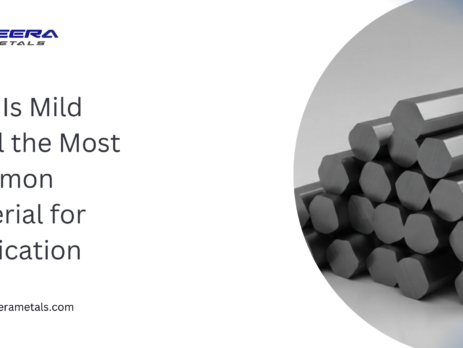
Why Is Mild Steel the Most Common Material for Fabrication?
Every fabrication project begins with one critical decision: selecting the right material. Whether the end product is a structural frame, industrial machine component, storage tank, support structure, or construction assembly, the chosen material directly impacts performance, manufacturing efficiency, and project cost.Among the many metals available to fabricators, mild steel continues to dominate the market. Despite advances in stainless steel, aluminum alloys, and engineered metals, mild steel remains the preferred material across construction, manufacturing, engineering, and industrial fabrication sectors.Its popularity is not driven by a single advantage but by a combination of affordability, strength, versatility, and ease of processing. These...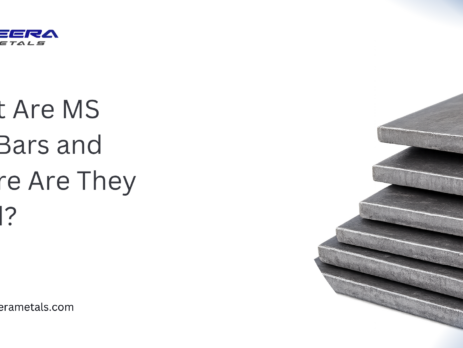
What Are MS Flat Bars and Where Are They Used?
Steel products play a vital role in construction, fabrication, manufacturing, and infrastructure development. Among the most versatile and widely used steel sections are MS Flat Bars, commonly known as mild steel flat bars. Their simple rectangular shape, combined with excellent strength, weldability, and affordability, makes them an essential material across multiple industries. From structural support systems and fabrication workshops to engineering projects and industrial facilities, MS flat bars provide practical solutions for a wide range of applications. Their ability to be easily cut, welded, drilled, and fabricated has made them one of the most commonly used steel products in modern construction and manufacturing. In this article, we'll explore...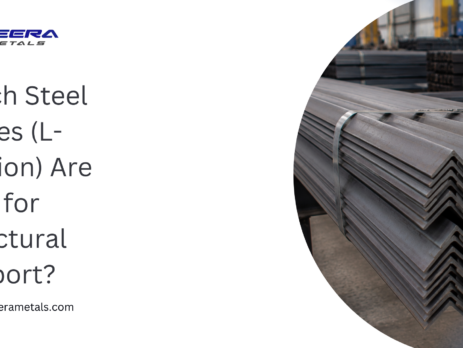
Which Steel Angles (L-Section) Are Best for Structural Support?
Which Steel Angles (L-Section) Are Best for Structural Support?
Walk onto any construction site and you'll see them everywhere those simple yet indispensable L-shaped steel bars holding beams in place, reinforcing corners, and forming the skeleton of frameworks that carry enormous loads. Steel angles for structural support are among the most commonly used profiles in construction, yet many builders and engineers still struggle to choose the right type for the job. Pick the wrong steel angle and you risk inadequate load distribution, premature corrosion, costly retrofitting or worse, structural failure. Get it right, and you gain a cost-effective, high tensile strength solution that can last decades. This guide breaks down...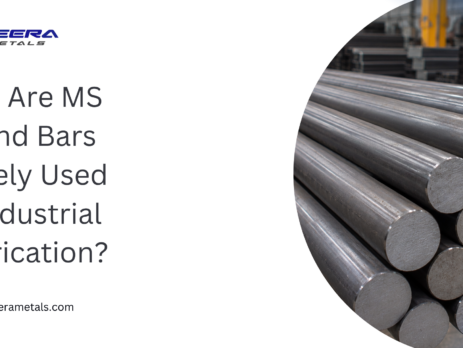
Why Are MS Round Bars Widely Used in Industrial Fabrication?
In factories, fabrication workshops, and construction sites across the world, one material shows up again and again MS round bars. Straightforward in shape, reliable in performance, and remarkably versatile in application, mild steel round bars have earned their place as one of the most trusted materials in industrial fabrication. But why exactly are they so popular? With a wide range of steel products available stainless steel, alloy steel, tool steel what makes mild steel round bars the preferred choice for engineers, fabricators, and manufacturers? The answer comes down to a combination of mechanical properties, workability, cost efficiency, and sheer adaptability. Whether you're machining precision components, building structural frameworks, or fabricating...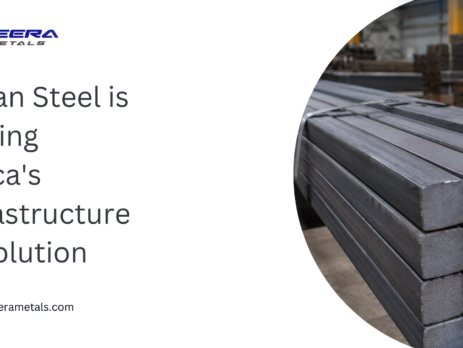
How Indian Steel is Fueling Africa’s Infrastructure Revolution
A Continent on the Rise and the Steel Behind It
Africa is building. From elevated highways cutting through Nairobi to new port terminals rising along the West African coast, from solar farms stretching across the Sahel to rail corridors connecting landlocked nations to global markets the continent is in the midst of one of the most ambitious infrastructure expansions in modern history. But infrastructure doesn't build itself. It demands steel enormous quantities of high-quality, cost-effective, reliable steel. And increasingly, that steel is coming from one source: India. Indian steel exports to Africa have surged over the past decade, transforming the India-Africa steel trade into one of the...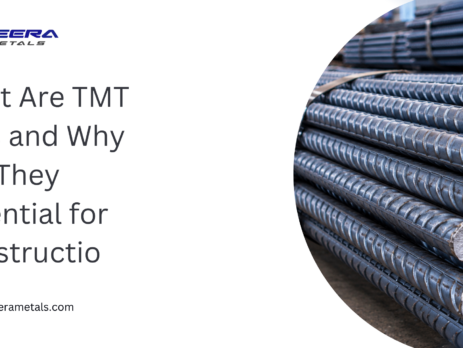
What Are TMT Bars and Why Are They Essential for Construction?
Introduction: The Steel That Holds Modern Buildings Together
Every time you walk into a concrete building a hospital, a school, a residential tower, a flyover you are standing inside a structure held together by steel. Not just any steel, but a specific, engineered product that transformed the way the world builds: TMT bars. Yet for all their importance, most people outside the construction industry have never heard of them. And even within the industry, the science behind what makes TMT bars superior to conventional reinforcement steel is often misunderstood or underappreciated. Here's the reality: without high-quality TMT bars for construction, modern reinforced concrete structures as...