
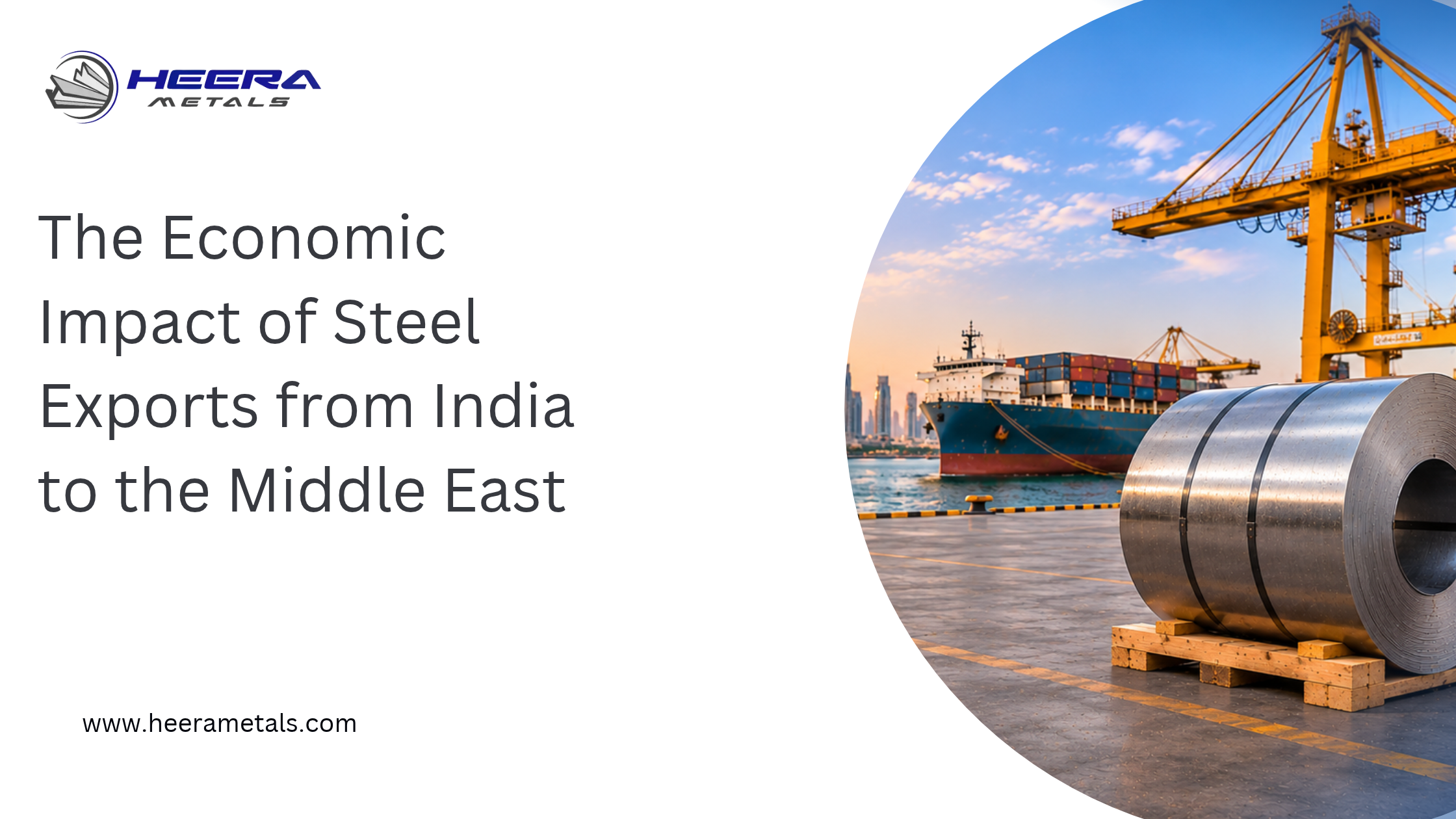
The Economic Impact of Steel Exports from India to the Middle East
Steel travels well across the Arabian Sea, and the trade it creates matters to both sides. Steel exports from India to the Middle East support Indian manufacturing while supplying the Gulf’s construction and industrial boom. This guide explains the economic impact of Indian steel exports to the Middle East, backed by official data, and shows how India Middle East steel trade relations benefit buyers who source from an Indian steel exporter Middle East contractors already trust.
India’s Steel Industry at a Glance
India’s Ministry of Steel reports that crude steel production grew from 103.545 million tonnes in 2020-21 to 152.180 million tonnes in 2024-25, a 5.4% rise over the previous year . This scale supports bulk steel exports from India to UAE and Saudi Arabia and explains the growth of Indian steel exports to the Gulf over the past decade. The picture is not a straight line, though. The same ministry notes that finished steel exports fell to 4.86 million tonnes in 2024-25 and have partially recovered since . Export volumes move with global prices, trade policy, and domestic demand.
India–UAE Trade Partnership and CEPA
The India UAE trade partnership and CEPA is a major driver. India’s Commerce Ministry reports that bilateral trade rose from USD 72.87 billion in FY 2021-22 to USD 100.06 billion in FY 2024-25, while India’s merchandise exports to the UAE grew from USD 28.04 billion to USD 36.63 billion, led by engineering goods and other sectors (Ministry of Commerce and Industry). The agreement was signed on 1 May 2022 (Indbiz, Government of India). Steel fits within this wider engineering and manufacturing story, and the Indbiz portal notes that iron and steel exports to the UAE did fall 36% in FY23, a reminder that sector results can swing year to year.
Economic Impact on India
Steel exports support India’s industrial base in several ways. Higher output spreads fixed costs across more volume, and export earnings bring in foreign exchange. Steelmaking, processing, logistics, and port services also create work across the chain, which is the basis of job creation in India’s steel and export sector. This ties into Make in India and steel manufacturing growth: the Ministry of Steel expects specialty steel production under its PLI scheme to reach 42 million tonnes by the end of 2026-27 (Ministry of Steel). Specific figures for jobs and foreign exchange from steel exports to the Middle East were not available in the official sources reviewed, so treat these as directional benefits.
Economic Impact on Gulf Economies
Middle East steel demand and infrastructure growth create a clear need for dependable supply. The UAE’s Operation 300bn aims to lift the industrial sector’s GDP contribution from AED 133 billion to AED 300 billion by 2031 (UAE Government Portal), and Saudi Arabia’s Public Investment Fund lists NEOM, Qiddiya, Red Sea Global, and ROSHN among its giga-projects (PIF). Saudi Vision 2030 and UAE construction driving imports means contractors need a wide range of grades and volumes. For them, cost-effective steel sourcing for Gulf contractors and the price competitiveness of Indian steel in the Gulf can help projects control budgets, although landed cost depends on freight, duties, and grade.
Trade Logistics: Ports, Routes, and Lead Times
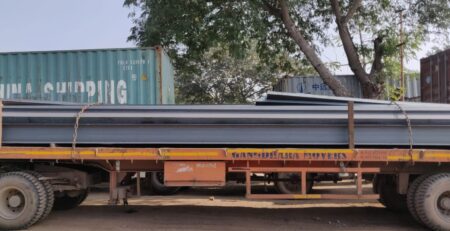
Port connectivity between India and the Gulf is a practical advantage. Shorter sea routes support reduced lead times from India to the Middle East compared with more distant origins. DP World describes Jebel Ali as one of the most technologically advanced ports in the world (DP World), which helps shipping routes and logistics for steel exports reach UAE project sites efficiently. Good packaging and planning remain essential to avoid damage and delays.
Quality and Partnerships Matter
The benefits only last if buyers can trust what arrives. Quality-certified Indian steel for Gulf projects should come with mill test certificates, third-party inspection, and compliance with ASTM, IS, or BS standards. Many buyers also pursue long-term supply partnerships between Indian exporters and Gulf buyers to secure stock and pricing, which supports steel trade balance and regional supply chains on both sides.
What Gulf Buyers Should Do
- Compare landed cost, not just the quoted price
- Ask for batch-level certificates and independent inspection reports
- Plan bulk orders early, since export volumes can shift
- Confirm current duties and import rules with customs authorities
- Work with a steel supplier UAE, steel supplier Saudi Arabia, or steel supplier GCC with a proven delivery record
Whether you need a metal exporter to UAE, a metal exporter to GCC, an industrial steel exporter GCC, or an Indian metal supplier UAE, these checks support reliable steel sourcing from India for Middle East builders and how Indian steel exports benefit both India and Gulf economies.
Build on Trade That Works for Both Sides
The India–Gulf steel link is growing, and buyers who lock in certified supply early stay ahead of shifting markets. Talk to Heera Metals today for certified Indian steel, dependable bulk supply, and delivery timelines you can plan around. Request your quote now and turn strong trade ties into on-time projects.



Leave a Reply