
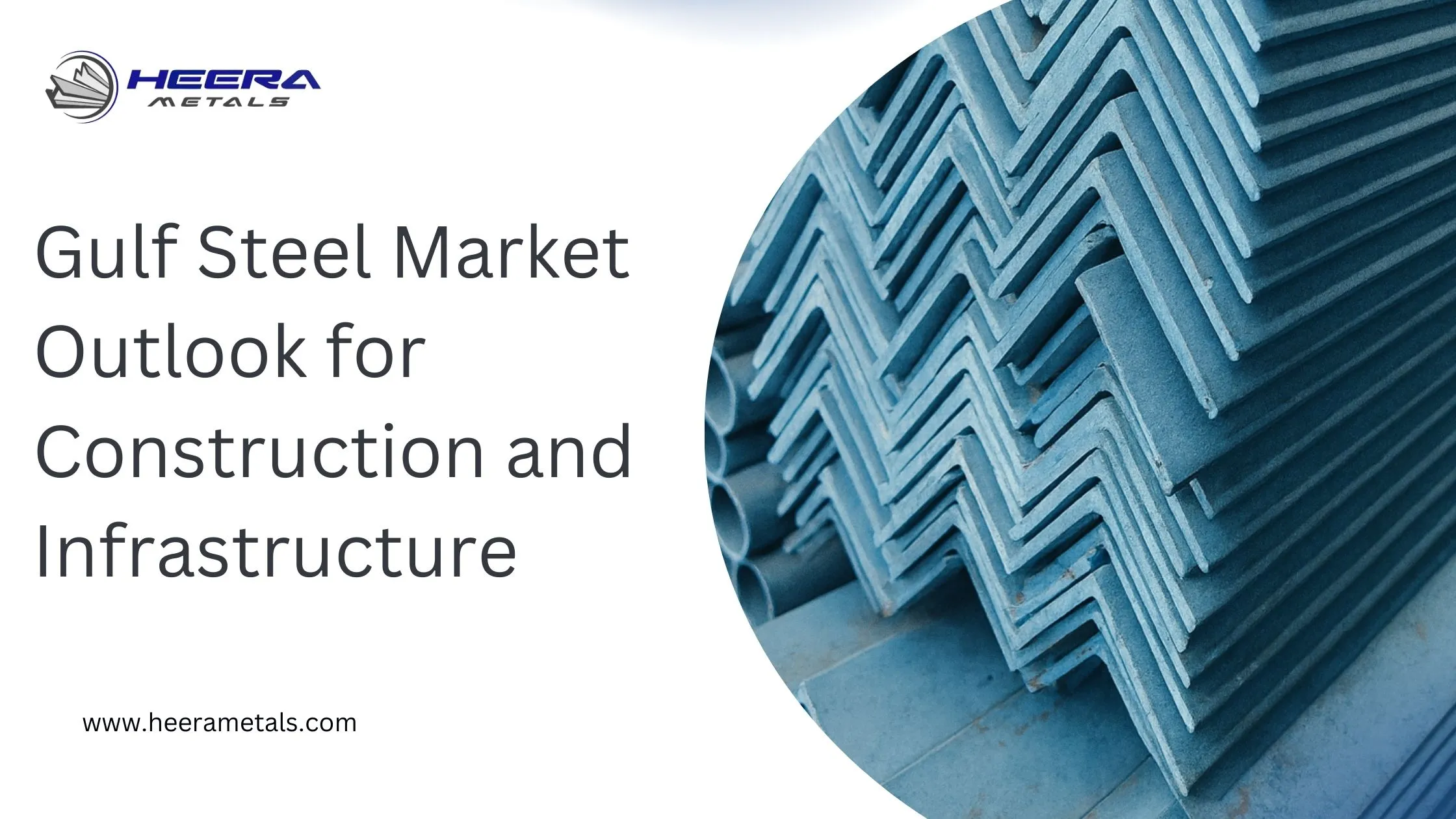
Gulf Steel Market Outlook for Construction and Infrastructure
The steel sector is a critical foundation for ongoing infrastructure and industrial development across the Gulf. As Gulf nations accelerate projects in transportation, energy, housing, and urban expansion, the need for consistent, high-quality steel continues to increase. A strong and resilient Gulf steel market ensures that large-scale construction moves forward without delays, while helping contractors meet strict engineering and safety standards.
Understanding the current dynamics of Gulf steel supply is essential for identifying future growth opportunities, evaluating demand patterns, and navigating the challenges shaping the region’s rapidly evolving development landscape.
GCC Steel Market Size, Forecasts, and Industry Data
| 2025 Market | Forecast Value | CAGR | Market Scope |
| ~USD 3.50 Billion (2025 ) | USD 5.12 Billion by 2033 | 4.10% | GCC Steel Market (Flat & Long Steel) |
| ~USD 10.11 Billion (2025) | USD 13.79 Billion by 2030 | 5.15% | GCC Structural Steel Fabrication Market |
| ~USD 20.66 Billion (2025) | USD 28.79 Billion by 2030 | 5.53% | GCC Steel Manufacturing Market |
How Industrial, Energy, and Transport Investments Are Shaping Long-Term Demand for Gulf Steel Suppliers
Mega-Projects, Urban Expansion & Diversification Momentum
The continuous rollout of mega-infrastructure programs, smart city developments, and large urban expansion zones is a major force shaping the GCC steel market. New residential districts, commercial hubs, transport corridors, and industrial cities are generating strong demand for structural steel and fabricated components. This momentum is further amplified by the region’s shift toward economic diversification, where investments are now flowing into tourism, logistics, real estate, manufacturing, and non-oil industries all of which require consistent and high-quality steel inputs.
Modern Construction, Prefabrication & Advanced Building Technologies
Across the gulf steel market, construction companies are increasingly adopting modern building methods such as modular systems, prefabricated units, pre-engineered steel structures, and faster steel-based framing solutions. These methods reduce timelines and improve precision, which naturally boosts demand for processed, engineered, and custom-fabricated steel. With CAD, BIM, automation, and advanced fabrication technology becoming standard, projects need more consistent and engineered materials supplied by capable partners, giving every reliable gulf steel supplier a strong role in the region’s transformation.
Rapid Growth in Industrial, Energy & Transport Sectors
Beyond real estate and buildings, industrial zones, renewable energy projects, logistics hubs, metro and rail expansions, power and utility upgrades, and port developments are all contributing to rising steel consumption. This broader sectoral growth strengthens the long-term outlook for the GCC steel market, as flat steel, structural materials, and specialized components are required across manufacturing, infrastructure, and energy-driven projects. The combined progress of these sectors ensures steady, diversified demand throughout the gulf steel market.
Why Gulf Construction Firms Prefer Indian Steel Suppliers
1. Consistent Quality with Global Certifications
Indian steel manufacturers supply materials that meet international standards such as ASTM, BS, EN, and ISO, which are widely required across Gulf projects. Their strict quality checks, mill test certificates (MTC), and advanced production processes ensure reliable, uniform steel reducing risks of inspection failure or project delays.
2. Competitive Pricing and Cost Efficiency
India’s large-scale steel production, efficient mills, and strong export ecosystem allow suppliers to offer more competitive pricing compared to many regional or global sources. For Gulf contractors working on mega-projects with tight budgets, Indian steel provides better value without compromising quality, especially for bulk orders.
3. Fast Delivery & Strong Logistics to GCC Ports
With frequent shipments and well-established export routes to Jebel Ali, Dammam, Doha, Bahrain, and Abu Dhabi, Indian suppliers ensure shorter lead times and dependable deliveries. Their agile logistics and flexibility help Gulf contractors maintain on-time construction schedules a major advantage in fast-paced project environments.
Challenges & Risks in the Gulf Steel Market
While the GCC steel sector is expanding steadily, several challenges continue to influence project execution, cost planning, and long-term supply stability across the region. Understanding these risks helps contractors, developers, and procurement teams make better sourcing decisions.
1. Volatile Steel Prices and Global Supply Chain Fluctuations
Steel prices in the Gulf are strongly affected by international raw material costs including iron ore, scrap, and coking coal. Sudden global market shifts, freight rate spikes, or currency fluctuations can significantly impact procurement budgets and disrupt project timelines. For large infrastructure programs operating on tight cost frameworks, this volatility remains a major concern.
2. Import Dependency and Delivery Delay
Although the GCC has its own steel production capacity, the region still relies heavily on imports for specific grades, structural sections, and specialized steel materials. This dependency exposes projects to risks such as geopolitical disruptions, longer transit times, shipping delays, and port congestion. Any interruption in supply can stall construction progress and increase overall project costs.
3. Quality Variations from Non-Reputed Suppliers
Inconsistent steel quality is another critical challenge for Gulf contractors. Materials sourced from non-certified or low-quality mills can fail inspections, cause structural integrity issues, or require expensive rework. With new regulations and modern building technologies demanding stricter compliance, contractors must prioritize suppliers who meet ASTM, EN, and ISO standards to avoid costly project risks.
Conclusion
The Gulf steel market is entering a phase of sustained growth, driven by massive infrastructure programs, expanding urban landscapes, and continuous investments in industrial, energy, and transport sectors. As construction technologies evolve and demand for high-precision, engineered steel increases, reliable sourcing becomes more important than ever for developers and contractors operating across the region.
India’s position as a trusted steel partner for the Gulf continues to strengthen to consistent quality, globally accepted certifications, competitive pricing, and fast delivery routes to key GCC ports. These advantages make Indian suppliers a strategic choice for meeting the region’s ambitious development goals without compromising timelines or structural performance.
At the same time, navigating market volatility, supply chain risks, and quality inconsistencies remains critical. Companies that align with dependable, certified suppliers and adopt proactive procurement strategies will be best positioned to capitalize on upcoming opportunities in the rapidly expanding Gulf steel landscape.



Leave a Reply