
How Indian Steel Manufacturers Support GCC Infrastructure Growth
The GCC (Cooperation Council for the Arab States of the Gulf) region is experiencing one of the fastest-growing infrastructure booms in the world, driven by visionary national programs, new urban developments, industrial expansion, and massive investments in transportation, energy, and housing. From futuristic smart cities to large-scale logistics corridors, the demand for reliable construction materials, especially steel, Indian mild steel, continues to rise year after year.
As these newest projects accelerate, Indian steel manufacturers and exporters are playing an increasingly important role in supplying essential materials to the GCC market. With a strong production base, safe shipping, competitive pricing, and a diverse range of mild steel products, India has become a key sourcing destination for developers, contractors, and distributors across the region. This growing partners is shaping the future of structure or infrastructure throughout the GCC while opening new opportunities for the Indian steel industry on the global stage. According to a recent Mordor Intelligence report, the GCC infrastructure market was valued at USD 41.10 billion in 2025 and is projected to grow to USD 54.20 billion by 2030 (CAGR ~5.7%).
Expansion of the Indian Steel Market in GCC
Growing Demand for Indian Steel in GCC Countries
The GCC region is witnessing continuous growth in construction or infrastructure , industrial manufacturing, shipping networks, and large-scale development projects. This surge in activity has created a rising demand for reliable steel supplies or mild steel supplier, particularly mild steel products such as MS bars, channels, plates, coils, and structural materials.
Indian steel exporters have become a preferred sourcing option due to their strong production capabilities, consistent quality, and competitive pricing. The GCC market values the flexibility and wide product range offered by Indian manufacturers, making India one of the most dependable suppliers in the region’s expanding steel ecosystem.
Factors Driving India’s Increasing Presence in the GCC Steel Market
After all, long-term trade relationships, government-backed export initiatives, and the ability to deliver bulk shipments for mega-project timelines are further strengthening India’s position. GCC countries continue investing in housing, energy, transportation, and urban development; the role of Indian mild steel suppliers or steel exporters is expected to grow even more prominent, reinforcing India as a key contributor to the region’s GCC infrastructure future.
Why Indian Steel Manufacturers Are Trusted Across GCC Projects
| Comparison Factor (Customer Focus) | Indian Steel Manufacturers (Advantage) | Competitors (GCC Local/Global) |
|---|---|---|
| Delivery Certainty & Lead Time | Reliable & Agile Logistics (High Trust): Shorter shipping distance to major GCC ports (Jebel Ali, Doha, Dammam) ensures lower lead times and higher certainty in Just-in-Time (JIT) deliveries. | Variable Logistics: Local GCC producers offer very fast transport, but global suppliers (East Asia, Europe) have longer sea routes, making large-scale, consistent JIT delivery a higher risk. |
| Material Verification & Quality Documentation | Detailed & Standardized Documentation: Products come with Mill Test Certificates (MTCs) and meet BIS, ASTM, EN standards. Documentation is quick and easy for consultants to verify. | Mixed Certification: Local producers may follow only GCC/national standards. Some low-cost global suppliers may have slower or less transparent MTC processes, delaying approvals. |
| Post-Sales Support & Claim Resolution | Dedicated Export/After-Sales Support: Indian exporters maintain on-ground GCC offices and support teams that handle claims, audits, and replacements quickly. | Limited Post-Sales Presence: Many global suppliers depend on traders/agents, slowing claim resolution for sensitive quality or quantity issues. |
| Price Stability & Budgeting | Competitive & Negotiable Pricing: India’s large integrated steel ecosystem offers stable pricing and attractive volume discounts, helping contractors secure long-term project budgets. | Market-Dependent Costs: GCC prices fluctuate with domestic energy pricing, while global imports vary with currency and commodity market swings. |
| Product Customization & Non-Standard Orders | High Customization Capability: India’s specialty mills provide flexible custom sizes, lower MOQs, and quicker turnaround for non-standard orders. | Low Customization: Global mills prefer standard high-volume runs, making small/custom orders difficult or expensive. |
Key Mild Steel Materials Supporting GCC Infrastructure
Mild steel is a backbone material for the GCC’s rapidly expanding construction and industrial sectors. Its strength, durability, and affordability make it essential for large-scale development projects across the region.
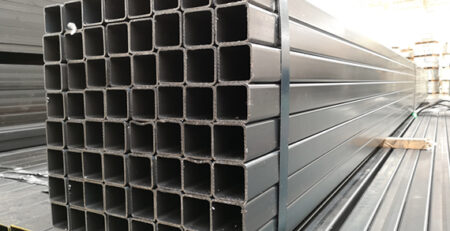
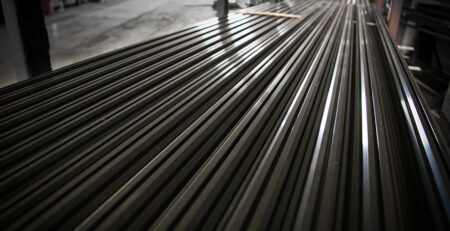
MS Pipes/ Tubes
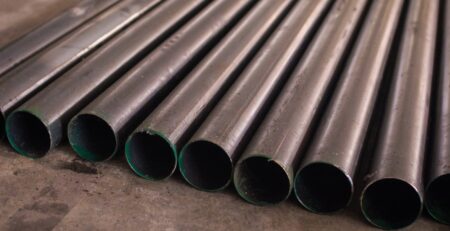
Used for water lines, structural scaffolding, and industrial pipelines due to their reliability and easy fabrication.
MS Channels
Provide crucial support in building frameworks, machinery setups, and structural applications.
MS Plates
Used in bridges, storage tanks, heavy equipment, and general fabrication because of their high strength.
MS Coils
Ideal for fabrication, automotive applications, and structural components that require flexible shaping.
MS Structural Bars
Commonly used for reinforcement, fencing, gates, and general construction work.
Rising Dependence on Indian Mild Steel Exporters in UAE and GCC
Why Regional Buyers Prefer Indian Mild Steel Exporters
Indian mild steel exporters have become a trusted choice for buyers across the GCC due to their strong production capacities, diverse product range, and commitment to quality. As infrastructure and industrial development continue to accelerate in the region, buyers look for dependable partners who can meet large-volume requirements without compromising standards.
Key Benefits for GCC Buyers
Reliability: Indian manufacturers are known for delivering consistent quality that meets global specifications, ensuring smooth project execution.
Stable Pricing: With efficient production and a competitive manufacturing environment, India provides mild steel at steady and cost-effective rates, helping buyers manage budgets more effectively.
Consistent Supply: Strong logistics networks, high production output, and the ability to handle bulk orders allow Indian exporters to supply materials on time, even during peak demand periods.
Conclusion
The GCC’s ongoing infrastructure growth presents strong long-term trade opportunities for the steel industry, especially for suppliers capable of delivering quality, volume, and reliability. As major projects continue to rise across construction, energy, transportation, and industrial sectors, the need for dependable mild steel materials will only increase.
Indian steel manufacturers are positioned to remain essential partners in this expansion. With stable pricing, consistent supply, and a wide range of MS products, they will continue playing a key role in supporting the region’s development and shaping future trade relationships between India and the GCC.



Leave a Reply