
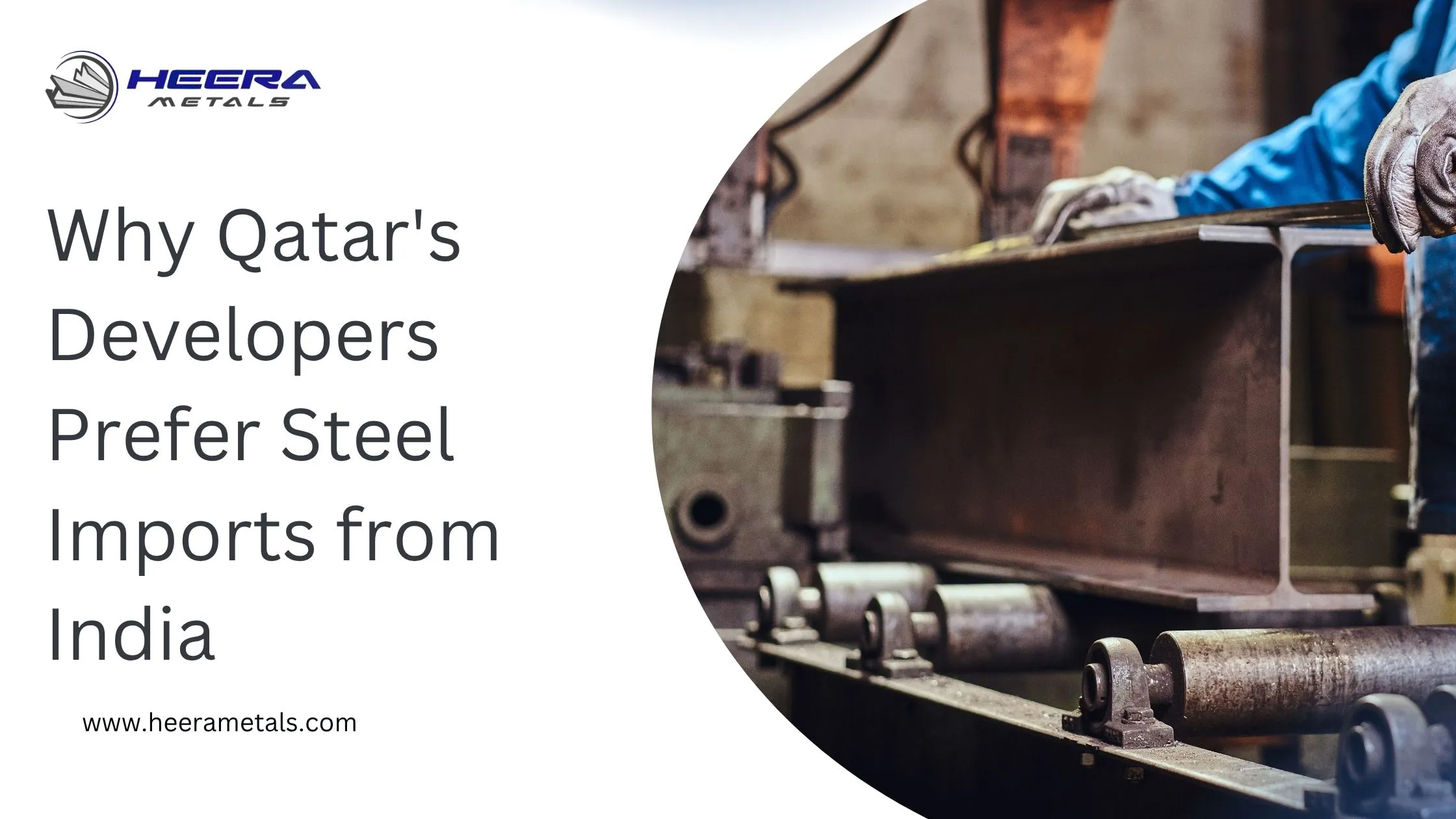
Why Qatar’s Developers Prefer Steel Imports from India
Few construction narratives rival Qatar’s in ambition or pace. What started as preparation for a single sporting event has grown into one of the most sustained national building programs anywhere in the world. Lusail City rose almost entirely from bare ground, a fully planned urban district conceived and delivered within a generation.
Downtown Doha reimagined what a city center could be, blending heritage with contemporary design in ways that few developments have managed. Hamad International Airport continues to expand, reinforcing Qatar’s position as a global transit hub. Across the capital, hundreds of hotel, residential, and commercial towers are climbing simultaneously, reshaping the Doha skyline at a speed that still catches observers off guard.
Every crane on that skyline needs steel. Every foundation, every column, every reinforced concrete floor plate. And across that vast, ongoing demand, one supply decision has become near-universal among Qatar’s most experienced developers and contractors: steel imports from India to Qatar are the preferred choice on price, on quality, and on reliability.
Why Qatar’s Construction Boom Is Driving Demand for Steel Imports from India
Qatar’s development ambitions extend well beyond the World Cup. The National Vision 2030 framework continues to drive investment in infrastructure, hospitality, healthcare, education, and industrial facilities. Each of these sectors generates sustained demand for structural steel, reinforcement bars, and mild steel products at volumes that require a supply chain capable of delivering reliably at scale.
Why Qatar Cannot Rely Solely on Local Steel Production for Major Projects
Qatar has no significant domestic steel production capacity. All structural and reinforcement steel used in the country is imported. This reality places the emphasis entirely on identifying import sources that can deliver the right grades in the right volumes with the right documentation and do so consistently across project timelines that leave little margin for supply disruption.
How India Became the Most Trusted Source for Indian Construction Steel in Qatar
Among all steel-exporting nations, India has consistently positioned itself as the most practical and competitive source for the Indian construction steel Qatar buyers depend on. Geographic proximity, massive production capacity, competitive pricing, and well-established export infrastructure combine to make importing steel from India to Qatar the logical default for procurement teams managing large and complex builds.
How Indian Steel Quality Standards Hold Up Against Qatar’s Project Specifications
Qatar’s project specifications, particularly on government and infrastructure contracts, reference internationally recognized material benchmarks. Indian steel quality standards under IS 2062 for structural steel and IS 1786 for TMT reinforcement bars are technically aligned with these benchmarks, and major Indian mills produce to ASTM-equivalent grades that consultants and engineers in Qatar readily accept.
Why BIS Certified Steel Export Gives Qatar Buyers a Quality Assurance Advantage
BIS certified steel export provides Qatar buyers with a critical quality assurance baseline. Bureau of Indian Standards certification means every product batch leaving an Indian mill has been manufactured, tested, and documented against a nationally enforced quality framework covering yield strength, tensile performance, chemical composition, and dimensional accuracy. For developers and project managers, this translates to predictable material behavior that supports safe structural design and smooth inspection sign-off.
International grade steel from India is not a specialty offering; it is the standard output of India’s major integrated steel plants. Whether a Qatar project specifies Fe500 TMT bars, IS 2062 E250 structural plates, or ASTM A36-equivalent mild steel sections, Indian mills can supply the grade with full traceability documentation. This breadth of grade availability makes Indian steel suppliers in Qatar a one-stop solution for complex, multi-specification projects.
Why Indian Steel Price Advantage in Qatar Is Too Significant for Developers to Overlook
What Makes Competitive Steel Prices from India to Qatar Structurally Sustainable
The Indian steel price advantage in Qatar is structural, not cyclical. Indian mills benefit from abundant domestic iron ore reserves, low energy and labour costs relative to European or East Asian producers, and economies of scale that come from operating some of the world’s largest integrated steelworks. These factors combine to produce competitive steel prices from India to Qatar that are routinely 15–25% below comparable grades from alternative origins.
How Cost-Effective Steel for Qatar Developers Directly Improves Project Economics
For developers managing Qatar’s high-cost construction environment, where land, lab our, and regulatory compliance already place pressure on margins, cost-effective steel for Qatar developers is not just a procurement preference but a financial imperative. Sourcing from India consistently delivers meaningful savings per tone that, across the volumes required for a mid-to-large project, represent significant budget relief.
Why Bulk Steel Supply for Qatar Projects Works Best with Indian Exporters
Bulk steel supply for Qatar projects requires suppliers who can commit to large volumes without compromising on price consistency or delivery reliability. Indian mills are structured precisely for this kind of supply relationship, offering volume pricing, flexible scheduling, and the production capacity to fulfill large orders across multiple shipments without the grade inconsistencies that smaller producers can introduce.
Is Affordable Imported Steel from India in Qatar Really Comparable in Quality?
A common concern among buyers encountering affordable imported steel in Qatar for the first time is whether lower cost implies lower quality. With reputable Indian suppliers, it does not. The pricing advantage is a function of production economics, not of reduced material performance or shortcuts in quality assurance. Developers who have made the switch to Indian supply routinely confirm that quality and documentation standards meet or exceed their project requirements.
Which Steel Products from India Are Most Used in Qatar Infrastructure Projects
Why Structural Steel for Qatar Projects Is Most Commonly Sourced from Indian Mills
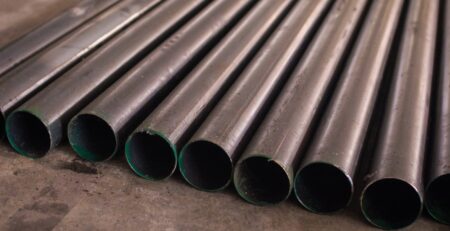
Structural steel for Qatar projects including MS plates, H-beams, I-sections, channels, and angles is produced by Indian mills in a comprehensive range of sizes and grades. For the commercial towers, hotel structures, and infrastructure frames that define Qatar’s built environment, Indian structural steel delivers the section sizes and grade certifications that engineers specify.
What Makes TMT Bars Export to Qatar from India the Preferred Reinforcement Choice
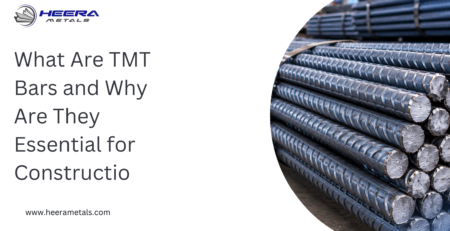
TMT bar exports to Qatar from India covers the full grade range Fe415, Fe500, Fe500D, and Fe550, giving developers access to reinforcement steel optimized for different structural applications. Fe500D, in particular, with its enhanced ductility and seismic resistance, is increasingly specified for Qatar’s larger structures and aligns directly with what Indian mills supply as a standard export product.
How Mild Steel Supply for Doha Construction Projects Is Met Through Indian Exporters
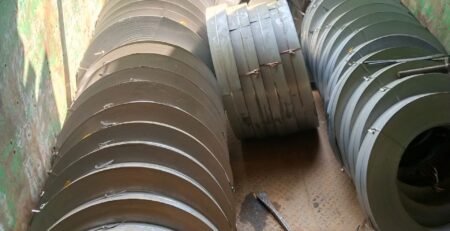
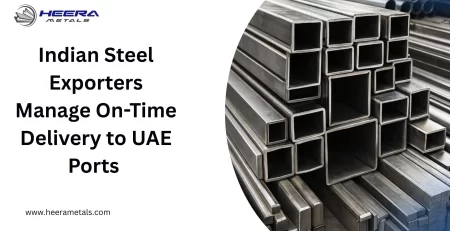
Mild steel supply for Doha construction encompasses the everyday structural and fabrication materials plates, flats, rounds, and hollow sections used across commercial, residential, and industrial builds. Indian mild steel supply for Doha’s active construction market is both well-established and logistically streamlined, with multiple Indian exporters maintaining regular shipping schedules to Hamad Port.
Why Indian Steel Is Trusted for Stadium and Large Commercial Projects in Qatar
The demands placed on steel for stadium and large commercial projects in Qatar are among the most exacting in the industry requiring precise grade certification, strict dimensional tolerances, and complete material traceability for every batch. Indian exporters experienced in supplying mega-project requirements in the GCC understand these expectations and structure their documentation and inspection processes accordingly.
How Indian Steel Exporters Meet Qatar Construction Material Regulations and GCC Standards
What Qatar Construction Material Regulations Require from Steel Importers
Qatar construction material regulations require imported steel to meet specific quality and documentation standards before it can be used on licensed construction projects. Understanding these requirements and ensuring every shipment arrives with compliant paperwork is a core competency of experienced steel exporters from India to Qatar.
Why GCC Compliant Steel Suppliers from India Simplify the Approval Process
Reputable Indian exporters operate as GCC -compliant steel suppliers as a matter of standard practice. This means every shipment includes Mill Test Certificates (MTCs) with full chemical and mechanical test data, third-party inspection reports from accredited bodies such as SGS, Bureau Veritas, or TÜV, certificates of origin for customs clearance; and grade and heat number traceability linking product to production batch. For Qatar project managers and site engineers, receiving this documentation package as a standard part of the supply process rather than having to chase it is itself a significant operational advantage.
Why Fast Steel Shipping from India to Qatar Gives Developers a Logistical Edge
How Short Transit Times Make Indian Steel Delivery to Doha More Reliable
Fast steel shipping from India to Qatar is one of the most tangible logistical advantages of sourcing from India. The sea distance from major Indian export ports Mundra, Nhava Sheva, and Virago Hamad Port in Doha is among the shortest of any major steel-exporting nation. Transit times typically range from 7 to 12 days, giving Qatar project teams shorter lead times and greater flexibility in managing just-in-time material arrivals.
How Reliable Steel Exporters from India Manage the Steel Import Process for Qatar Buyers
Navigating the steel import process in Qatar requires familiarity with customs procedures, documentation requirements, and port handling protocols at Hamad Port. Reliable steel exporters from India who have built GCC-specific export operations manage this process proactively, coordinating with freight forwarders, customs agents, and project logistics teams to ensure smooth clearance and on-time delivery.
Conclusion
Qatar’s developers prefer steel imports from India because the evidence consistently supports that preference. Indian steel delivers on quality with BIS certification and internationally aligned grades that meet Qatar’s project specifications. It delivers price with structural cost advantages that meaningfully reduce project material budgets. And it delivers logistics with short transit times, established port connections, and experienced export operators who understand the GCC compliance environment.
For developers, contractors, and procurement teams working on Qatar infrastructure projects, Doha construction, or any of the commercial and hospitality developments shaping the country’s-built environment, Indian steel supply represents the best available combination of quality, cost, and reliability.


Leave a Reply